Tree-Free Paper

Fiber Alternatives to Wood Pulp Paper

An overview of non-wood fiber sources used in paper production, their agronomic profiles, environmental characteristics, and practical relevance for the Italian stationery and packaging sector.

Sugarcane bagasse fiber, a primary raw material for tree-free paper

Non-wood fibers

Documented fiber sources for paper production outside of wood pulp

Italy focus

Stationery and packaging context specific to the Italian market

Ecological data

Water use, land efficiency, and biodegradability compared to wood pulp

Public sources

Information drawn from FAO, EEA, and publicly available research

Fiber Sources and Applications

The following articles cover the main non-wood fiber categories in use for paper production, with emphasis on sourcing conditions and application in Italy.

Sugarcane bagasse piled after juice extraction
Agro-residue

Bagasse Fiber and Paper Alternatives in Italy

Sugarcane bagasse is one of the most widely processed agro-residue fibers in paper production. This article covers its fiber properties, processing routes, and presence in the Italian packaging and stationery market.

Read article →
Cut bamboo stems, a fast-growing fiber source for paper manufacturing
Fast-growth fiber

Bamboo Fiber in Sustainable Paper Production

Bamboo reaches harvestable maturity faster than any commercial timber species. This article examines its cellulose content, pulp quality, and the conditions under which it is used in European paper manufacturing.

Read article →
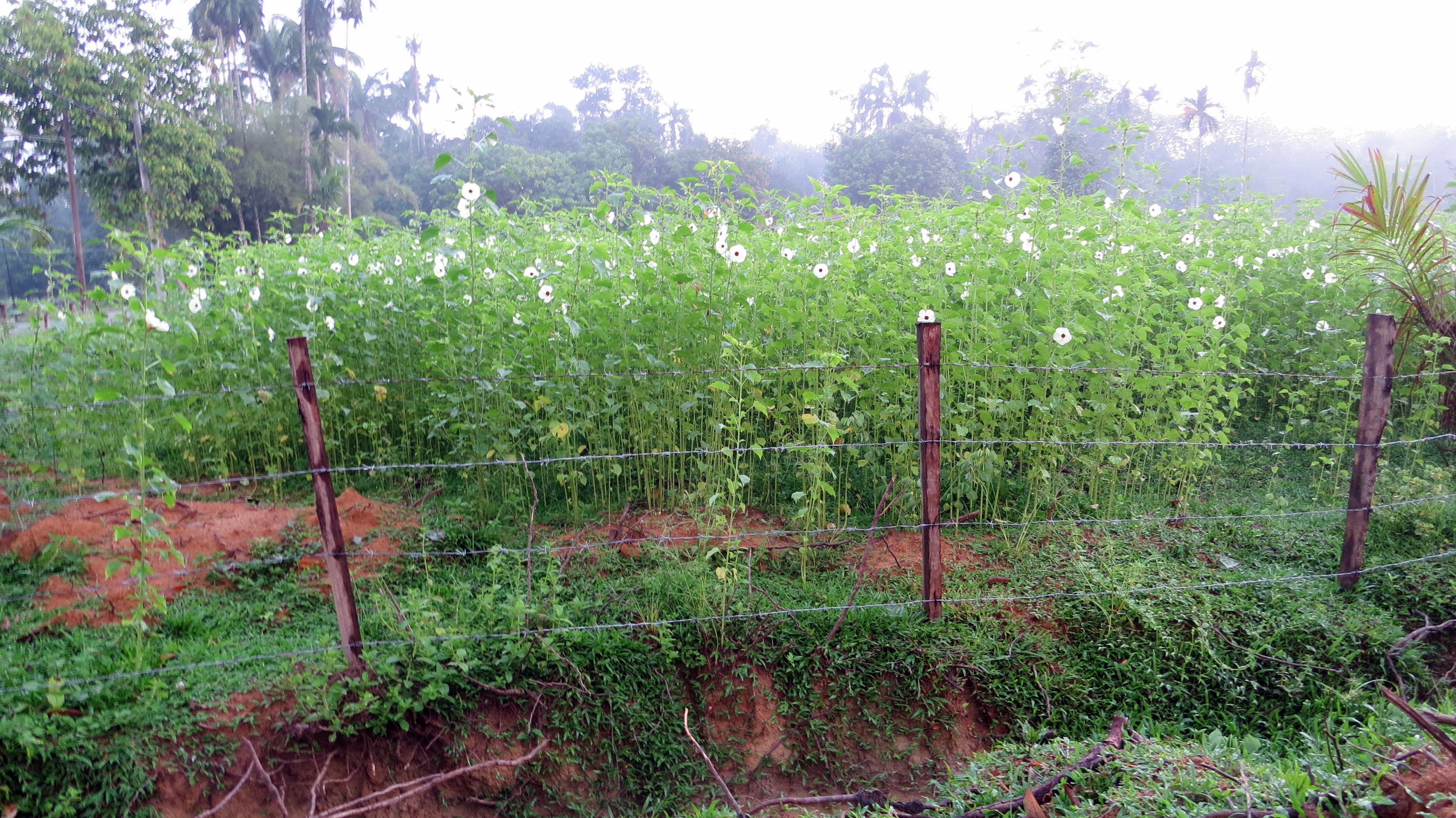
Kenaf plants growing in a field, used as bast fiber for paper production
Bast fiber

Kenaf and Hemp Fiber Sourcing in Europe

Kenaf and hemp are bast fiber crops with documented histories in European paper production. This article reviews their agronomic characteristics, fiber yields, and current sourcing patterns across EU countries including Italy.

Read article →

Why Non-Wood Fibers

Wood pulp has dominated industrial paper production since the mid-19th century, but many plant species produce cellulose-rich fibers suitable for papermaking without the long rotation cycles associated with forestry. The primary categories documented in commercial use include annual crop residues, fast-growing grasses, bast fiber crops, and certain aquatic or semi-aquatic plants.

Each fiber source carries distinct physical properties—fiber length, coarseness, lignin content—that affect sheet formation, strength, and printability. These properties determine which end applications are technically feasible and economically viable.

In Italy, the paper and packaging industry is structured around a concentration of mills in northern regions, particularly in Lombardy and Veneto. Imported non-wood fibers, primarily bagasse pulp from Brazil and bamboo pulp from Asia, enter Italian mills as substitutes or blends with recycled and virgin wood pulp.

Domestically, hemp cultivation has returned to parts of the Po Valley following changes in Italian agricultural regulation in the 1990s and later EU-level revisions to cultivation rules. Kenaf has been evaluated in experimental cultivation programs in southern Italy, though commercial-scale sourcing remains limited.

Crop Residues

Bagasse from sugarcane processing and straw from wheat, rice, and other cereals represent the largest volume non-wood fiber categories globally. Residue-based fibers typically require no additional land use beyond what the primary crop already occupies.

Perennial Grasses

Bamboo, Miscanthus, and giant reed (Arundo donax) offer high biomass yields on marginal land. Arundo donax grows naturally across parts of Italy and has been examined as a domestic fiber source for packaging-grade paper.

Bast Fiber Crops

Hemp (Cannabis sativa) and kenaf (Hibiscus cannabinus) produce long bast fibers suitable for specialty papers. Both crops have been cultivated historically in Italy, and both are currently subject to EU agricultural regulations governing cultivation licensing.

Fiber Characteristics at a Glance

The table below summarizes publicly documented characteristics of major non-wood fiber sources. Values are indicative and vary by variety, processing method, and growing region.

Fiber Source Plant Part Used Cellulose Content Crop Cycle Primary Use
Sugarcane bagasse Stalk residue 40–50% Annual, residue Packaging, food-service items
Bamboo Culm 40–60% 3–5 years to harvest Writing paper, tissue, packaging
Hemp Bast fiber, hurds 55–77% Annual Specialty paper, filter paper
Kenaf Bast and core 44–57% Annual Newsprint, kraft packaging
Wheat straw Straw residue 33–40% Annual, residue Packaging board, tissue

Sources: FAO Non-Wood Forest Products series; published literature on lignocellulosic fiber composition.